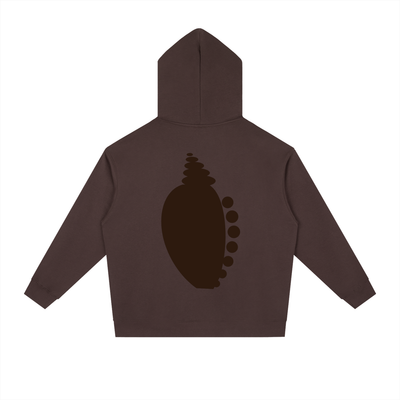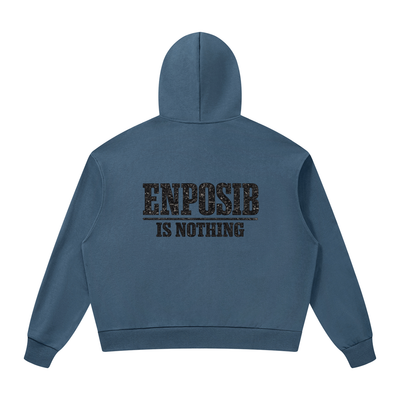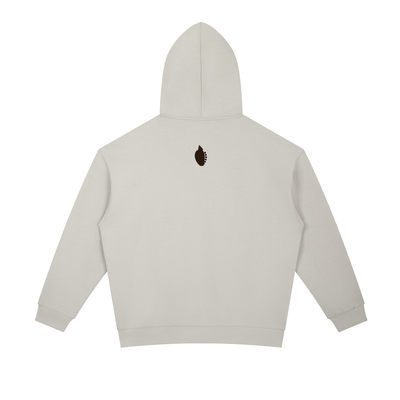

The Language on Your Shirt.
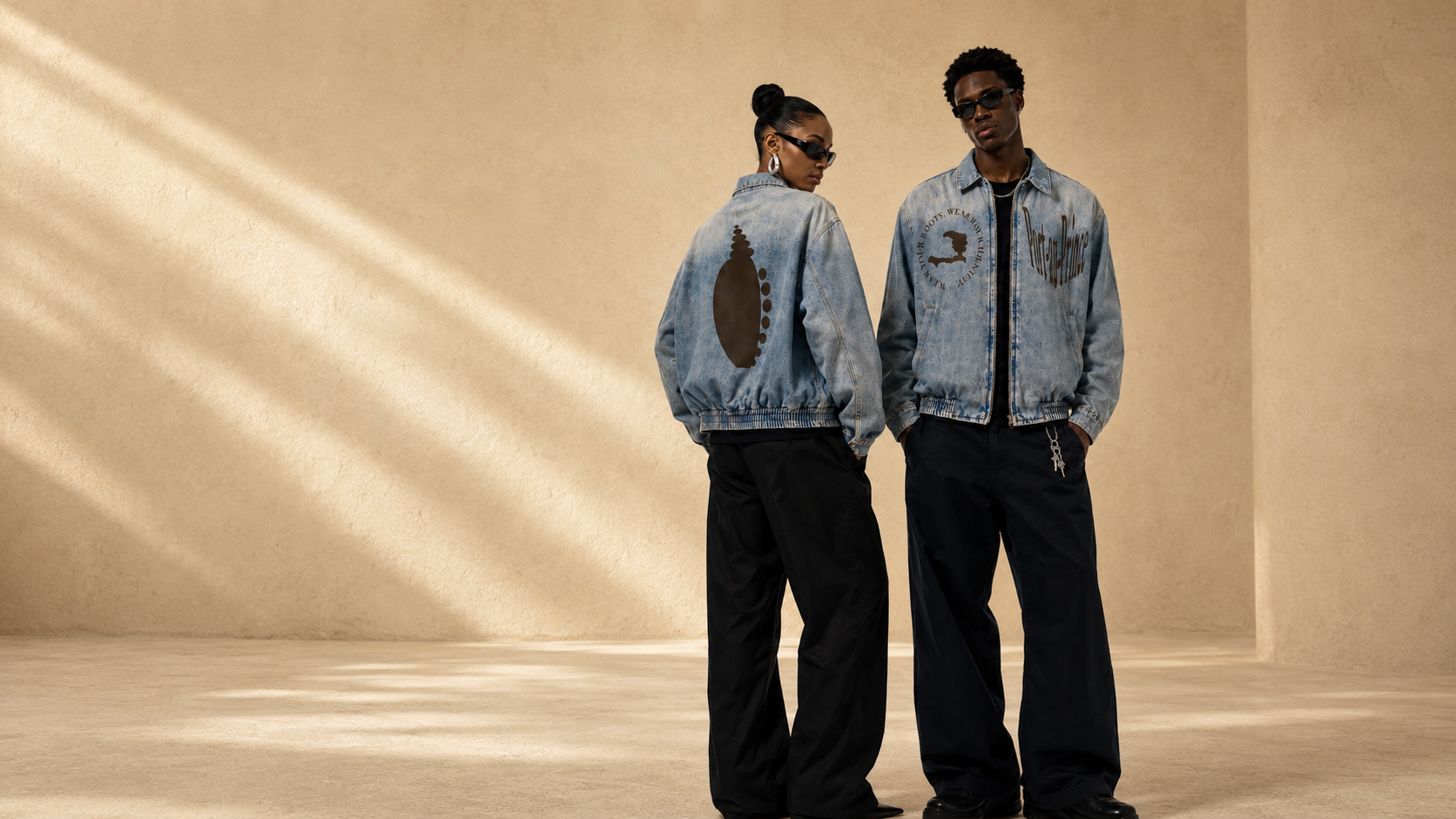
A Guide to the Creole Behind Every Ole Bohio Piece
Every Ole Bohio piece carries a name in Haitian Creole. Discover the meaning, history, and cultural power behind the language on your clothing.
You've probably noticed something different about Ole Bohio. Our products don't have generic names. There are no "Style #247" or "Classic V2" in our collection. Instead, you'll find words like "Gade'l," "Possible," and "Weird"—names that stop you, make you think, and invite a conversation.
That's intentional. Because at Ole Bohio, language is as important as fabric.
The Power of Kreyòl Ayisyen
Haitian Creole, or Kreyòl Ayisyen, is spoken by over 12 million people worldwide. It's one of Haiti's two official languages, and for the majority of Haitians, it's the language of everyday life: of humor, of love, of prayer, of argument, of storytelling around the kitchen table.
But Kreyòl is more than a communication tool. It's a monument to survival. Born from the collision of French colonialism, West African languages, Taíno vocabulary, Spanish, Portuguese, and English influences, Haitian Creole is living proof that even under the most brutal conditions, people create. They adapt. They build something new from the pieces they're given.
That spirit lives in every word. And we wanted that spirit to live in every garment.
The Names Behind the Pieces
Here's what you're wearing when you put on an Ole Bohio piece and what it means.
"Gade'l"—Pronounced roughly "gah-DEL." It means "Look at her" or "Look at him" in Haitian Creole. It's the phrase that escapes someone's lips when a person walks into a room and shifts the entire energy without saying a word. It's admiration. It's recognition. It's that moment when presence speaks louder than words.
We put this name on our Essential Cotton Boxy Tee because we believe the right garment can give you that energy, the quiet confidence that makes people look twice.
"Possible"—This one reads the same in Creole, French, and English. But it hits differently when it comes from Haiti. On January 1, 1804, Haiti became the first country founded by formerly enslaved people, the first free Black republic in the history of the world. Every major power at the time said it was impossible. Haiti said it anyway.
The word "Possible" on an Ole Bohio piece isn't motivational décor. It's a historical fact worn on your chest.
"Weird"—This one isn't Creole; it's a deliberate choice in English. In a world that constantly pressures you to conform, to fit in, to smooth your edges and become palatable, being called "weird" is actually a sign you're doing something right. The Haitian revolution was "weird." Speaking Creole with pride was "weird." Starting a fashion brand rooted in identity instead of trends is "weird."
We wear that word proudly. And so should you.
Why Language Matters in Fashion
Think about how many brands use Italian, French, or Japanese in their naming to signal luxury or exclusivity. Language has always been used in fashion to communicate identity and aspiration.
Ole Bohio uses Haitian Creole because we believe our language deserves the same stage. Not as an exotic novelty. Not as a cultural prop. But as the living, breathing voice of a people who have survived everything history has thrown at them and still create beauty.
When you wear a word in Kreyòl, you carry a piece of that story. You become a walking invitation for someone to ask, "What does your shirt say?" And when you answer, you're not just explaining a name; you're sharing a culture.
The Conversations We Want to Start
That's ultimately what Ole Bohio is about. Not just selling clothes. Starting conversations. Between you and a stranger on the street. Between you and a friend who didn't know what "Bohío" meant. Between you and your own identity are the parts you've been told to hide and the parts you're ready to celebrate.
Every name we choose is a door. You decide whether to open it.
And when you do, you'll find that the stories behind the words are always richer, always deeper, and always more powerful than the fabric they're printed on.
What's Next
As our collections grow, so will the vocabulary. We're building a library of names drawn from Haitian Creole, from Taíno heritage, and from the proverbs that generations of Haitians have passed down like heirlooms.
Future collections will carry words you might not know yet, but once you learn them, you'll wonder how you ever lived without them.
Stay close. The next word might be yours.
Discover the piece. Shop Ayiti Edition